Mergansers and eagles
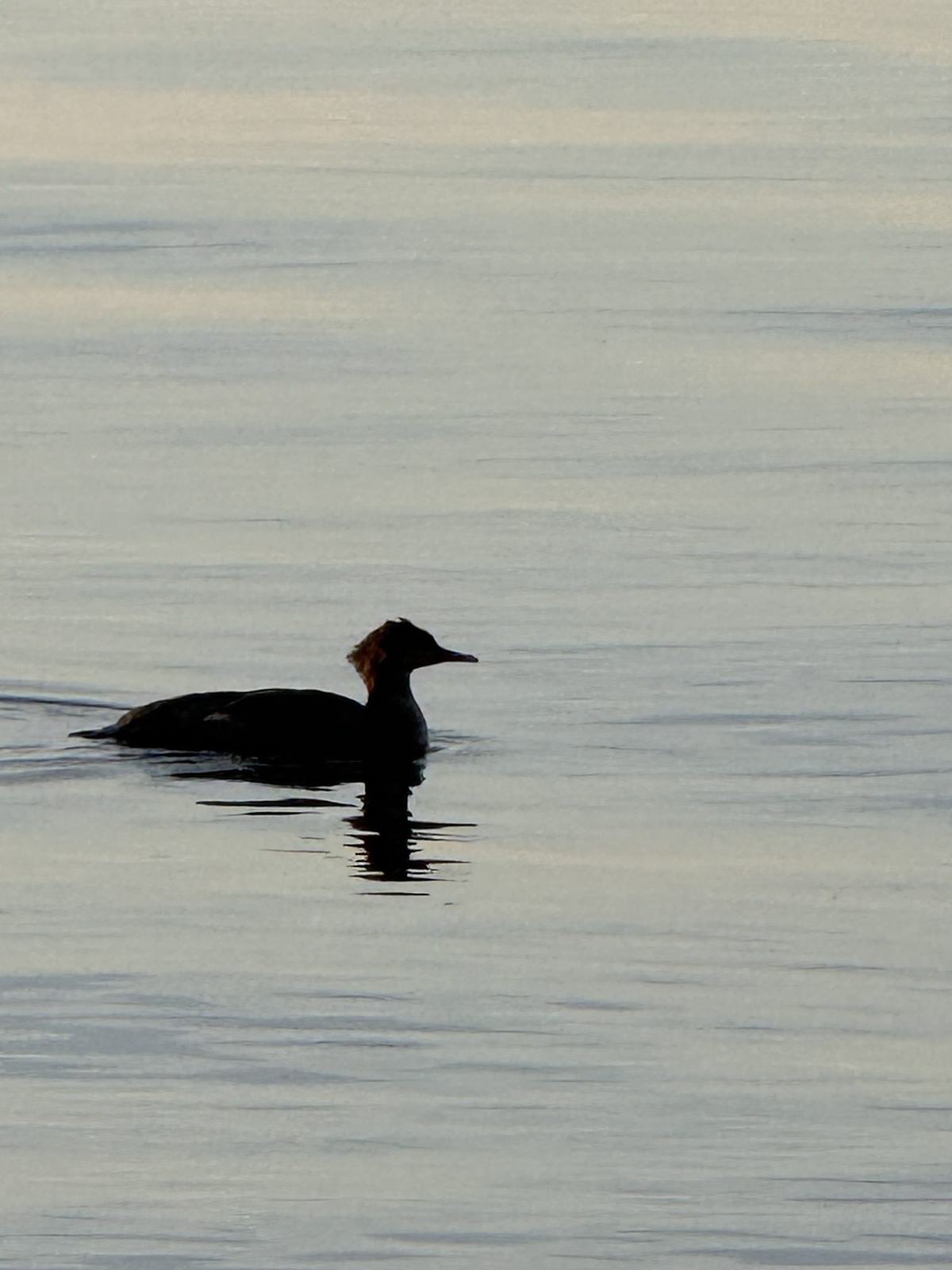
Common Mergansers are the most-reported bird on the Black River, often with a line of ducklings in early summer. Bald Eagles patrol the river and the harbor.
Black River Scenic Byway · Birding
Live bird sightings near the Black River, what to expect each month, and tonight’s migration outlook from the overnight wind forecast.
Loading…
Live nightly migration counts for Gogebic County: BirdCast dashboard
The latest confirmed bird observations within about 10 miles of the Black River, shared by birders on iNaturalist. Tap any one to see the full record.
Loading sightings…
Observations and photos: iNaturalist contributors, research-grade records only, shown with each observer’s name and license.
The species birders have recorded most often in this calendar month within about 25 miles of the river, across all years. Pick another month to plan ahead.
More observers visit in June than in winter, so summer lists run longer. Counts are iNaturalist research-grade observations.
Most songbirds migrate at night. In spring they ride south winds north toward their breeding grounds; in fall, north and northwest winds behind a cold front carry them south, and many follow the Lake Superior shore rather than fly over open water.
Hawk counts at both ends of the lake show the rhythm. Eagles and goshawks move first in March, Rough-legged and Sharp-shinned Hawks in April, and Broad-winged Hawks in May. In fall, counters at the west end of the lake log tens of thousands of raptors between mid-August and the end of November, with Golden Eagles peaking in early November.
The outlook above uses the overnight wind forecast during the main migration seasons, March 1 to June 15 and August 1 to November 15. For radar-measured counts of birds crossing Gogebic County each night, see the BirdCast migration dashboard.
Common Mergansers are the most-reported bird on the Black River, often with a line of ducklings in early summer. Bald Eagles patrol the river and the harbor.
The hemlock and hardwood forest along the falls trails rings with warblers in June: American Redstart, Black-throated Green, Blackburnian and Canada Warblers, plus Pileated Woodpeckers year-round.
Scan the lake from the harbor beach for Common Loons and gulls. In migration, Sanderlings, Semipalmated Plovers and Dunlin stop along the sand.
Pine Grosbeaks, Evening Grosbeaks, redpolls, crossbills, Bohemian Waxwings and Snow Buntings have all been recorded in the county. Some winters bring many, others almost none.
Stay on trails, keep dogs leashed, and don’t play recordings to call birds in during nesting season.
Photos posted to iNaturalist or checklists on eBird help map birds along the byway, and your sightings can show up on this page.
The Big Powderhorn Village is where the byway begins: make one of its chalets or condos your base for the falls and the harbor.
Common Mergansers, Bald Eagles, gulls and Common Loons on the river and the lake; Pileated Woodpeckers and, in June, many warblers in the forest; and migrating shorebirds such as Sanderlings on the beach. Over 100 bird species have been confirmed within about 15 miles.
Late May and June, when migrants pass through and breeding warblers sing in the forest. Fall migration from mid-August to mid-November brings hawks and songbirds along the Lake Superior shore.
During spring and fall migration it checks the National Weather Service overnight wind forecast. South winds in spring and north or northwest winds in fall usually bring the biggest nights of migration. For measured counts, see the BirdCast dashboard for Gogebic County.
From iNaturalist, where birders and naturalists share photo-verified observations. The page shows research-grade records only, with each observer credited.


